
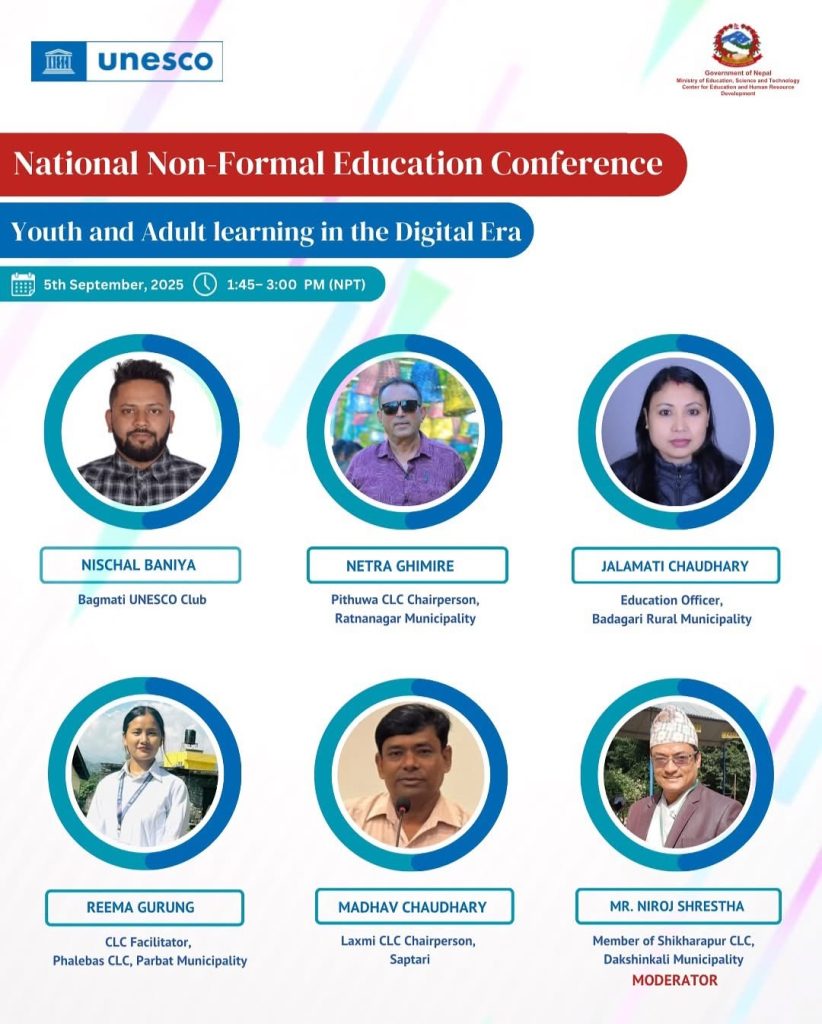
Panel Discussion Theme: Adult and Youth Learning in the Digital Era
Occasion: 59th International Literacy Day
Organized by: Centre for Education and Human Resource Development (CEHRD) and UNESCO Kathmandu
Venue: Hotel Radisson, Kathmandu
Introduction
On the occasion of the 59th International Literacy Day, CEHRD and UNESCO Kathmandu jointly organized a National Non-Formal Education Conference featuring a panel discussion on Promoting Lifelong Learning to Strengthen Non-formal Education: Promoting Literacy in the Digital Era. The session brought together government officials, community learning center (CLC) representatives, youth leaders, and education practitioners to reflect on the current state, opportunities, and challenges of CLCs in Nepal.
Moderator Introduction:
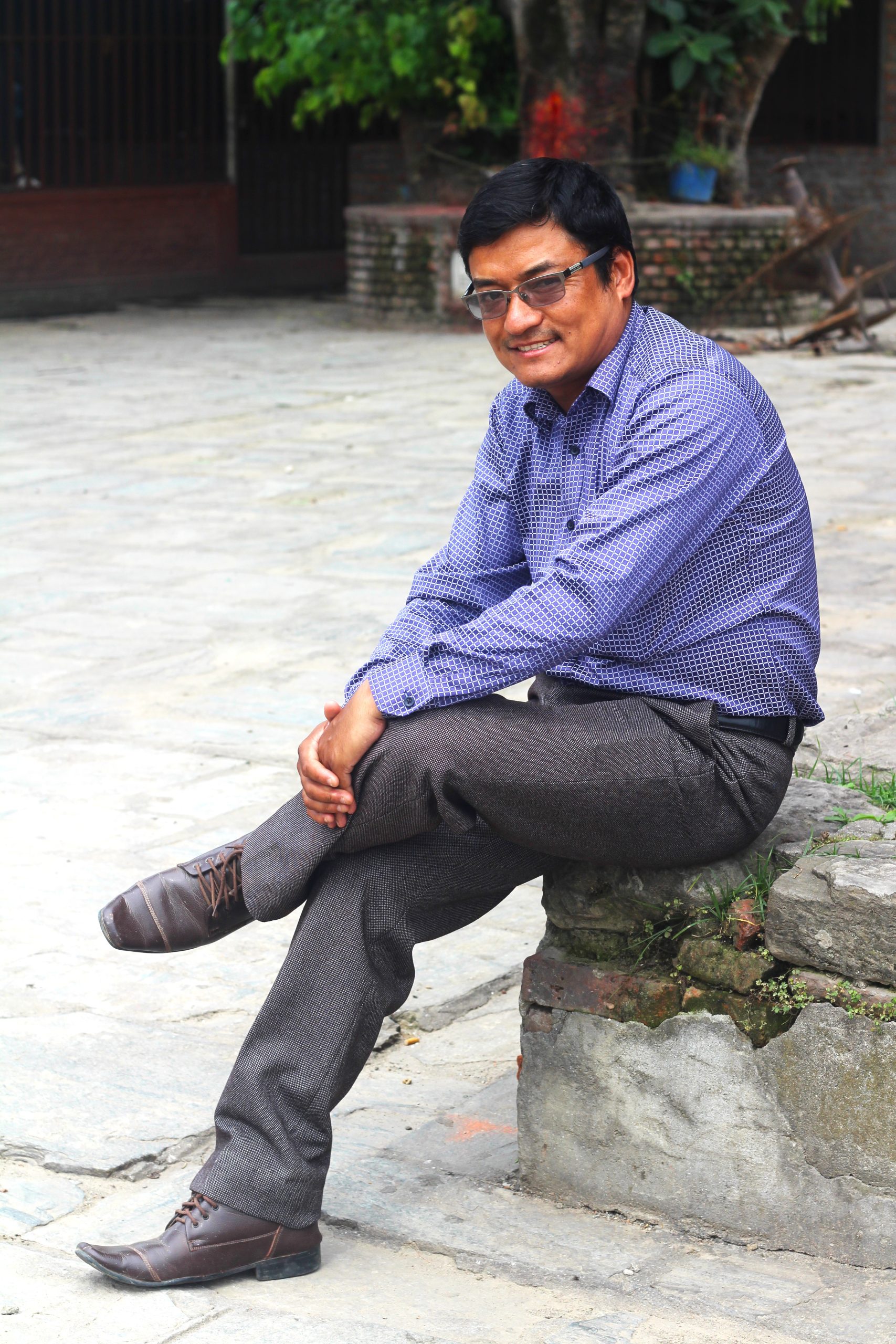
Mr. Niroj Shrestha, a social work professional and CLC development practitioner from Dakshinkali Municipality, Kathmandu, served as the Moderator of the panel. Founder and Principal of Shikharapur Community Campus and initiator of the Shikharapur Community Learning Center, he has led several impactful community-based projects, including the UNESCO-recognized Bottle House Project. With international representation in the USA, Japan, Luxembourg, and beyond, Niroj has been actively engaged in lifelong learning and non-formal education in collaboration with UNESCO Kathmandu and CEHRD. His research on lifelong learning and intangible cultural heritage, published by ICHCAP Korea, reflects his academic depth. Currently pursuing an MPhil in Social Work, he remains committed to youth leadership, women’s empowerment, and promoting education for sustainable development.
Panelists
- Ms. Jalamati Chaudhary – Education Officer, Baragadhi Rural Municipality
Actively leading local literacy campaigns and integrating CLCs into municipal education programs. - Mr. Netra Prasad Ghimire – Chairperson, Pithuwa CLC, Ratnanagar
Veteran educator with 34 years of service as a headteacher, experienced in lifelong and non-formal education. - Mr. Madhav Prasad Chaudhary – Chairperson, Laxmi CLC, Saptari
More than a decade of leadership experience in community-based organizations and literacy initiatives. - Mr. Nishchal Baniya – Youth Expert, UNESCO Club Bagmati
Nuclear scientist and researcher, actively engaged in youth empowerment, climate change, and science education. - Ms. Rima Gurung – Facilitator, Debisthan CLC, Phalebas, Parbat
Involved with CLC activities since 2019, dedicated to grassroots lifelong learning promotion.
Key Discussion Points
- Current Status of CLCs:
Panelists highlighted that although CLCs were once central in adult education and literacy campaigns, many now face resource shortages and identity challenges under the federal restructuring. - Contribution to Literacy and Skills:
CLCs have historically supported adult literacy, women’s empowerment, and skill development, but need stronger municipal partnerships for sustainability. - Best Practices:
Examples included successful literacy campaigns in Baragadhi (declared a “Literate Municipality”) and innovative youth-led programs through UNESCO Clubs. - Challenges:
Funding constraints, lack of coordination with municipalities, limited digital infrastructure, and declining visibility of CLCs were cited as major issues. - Digital Era and Literacy:
Panelists emphasized the urgency of integrating digital skills and online learning opportunities to make literacy relevant in the 21st century.

Question & Answer Session
Participants raised questions on:
- Ensuring financial sustainability of CLCs.
- Strengthening partnerships between municipalities and CLCs.
- Addressing inequality in education access, especially for women, Dalits, and disadvantaged groups.
- Expanding youth participation in promoting literacy in the digital era.
Conclusion
The panel discussion reaffirmed that CLCs remain a cornerstone for lifelong learning and literacy promotion in Nepal. However, their sustainability depends on stronger local government support, innovative digital initiatives, and inclusive approaches. The exchange of best practices and open dialogue between officials, educators, and youth provided valuable directions for strengthening non-formal education in the years to come.
