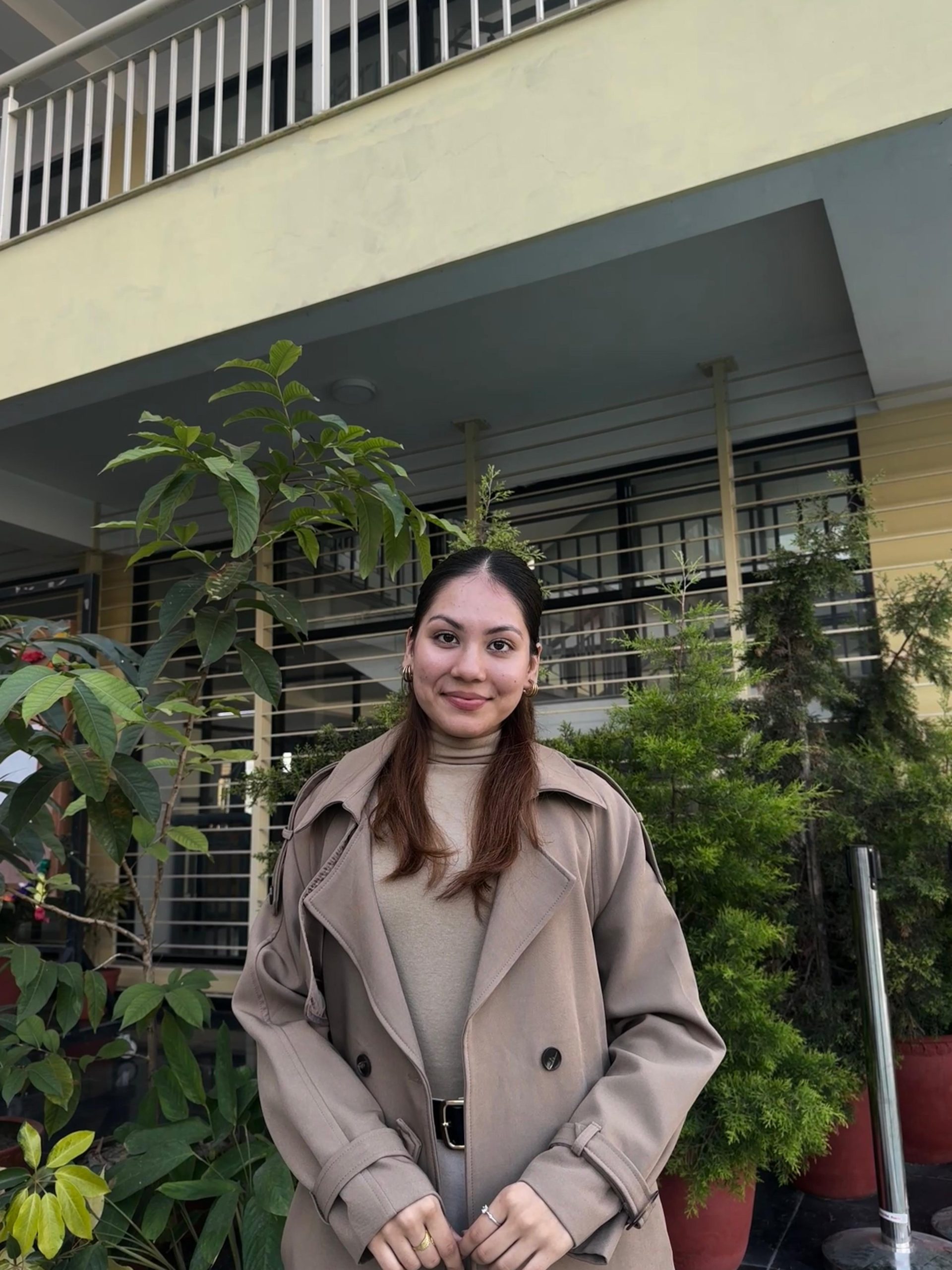
By: Aarya Gautam,
BA 1st Year (Sections A ), St. Xavier’s College
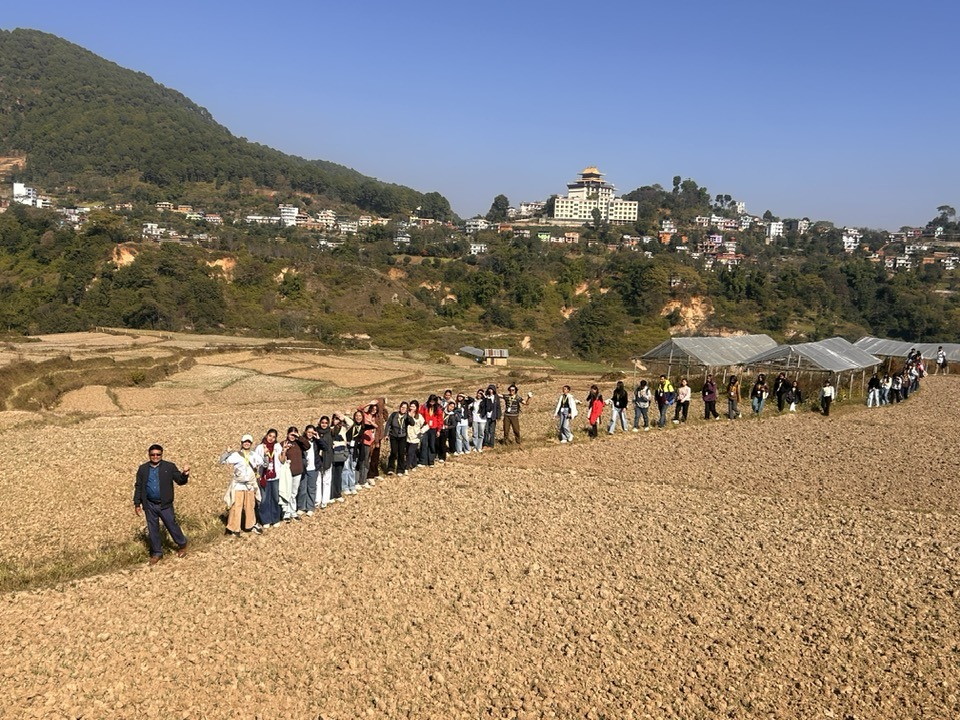
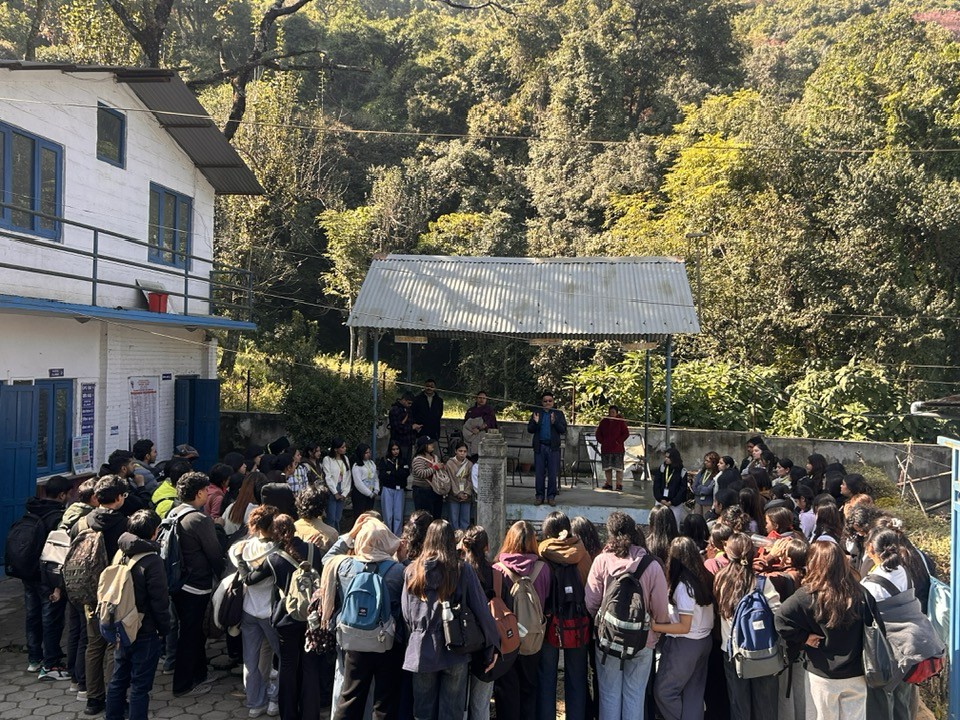
On 2 December 2025, all the students from Sections A and D of St. Xavier’s College, BA 1st Year, visited the Shikharapur Community Learning Centre (SCLC) in Pharping as part of our Social Work Field Orientation. The purpose of this visit was to expose us to real social work settings, help us observe how community organizations function, understand their structure and activities, and develop a spirit of inquiry as future social workers. With this background in mind, the visit turned into something much more meaningful than just a course requirement.
We were welcomed by Mr. Niroj Shrestha, the director of the SCLC and the Principal of Shikharapur Campus. The way he spoke about the organization — its history, struggles, and growth — made me realize how much dedication and consistency are needed to sustain community work. He explained how Shikharapur School provides education to students who had dropped out from regular schooling, giving them a chance to rebuild their academic journey. Knowing that the school is recognized and supported by UNESCO, and that it collaborates with the local ward office, made me see how grassroots initiatives can become strong when communities and institutions work together.
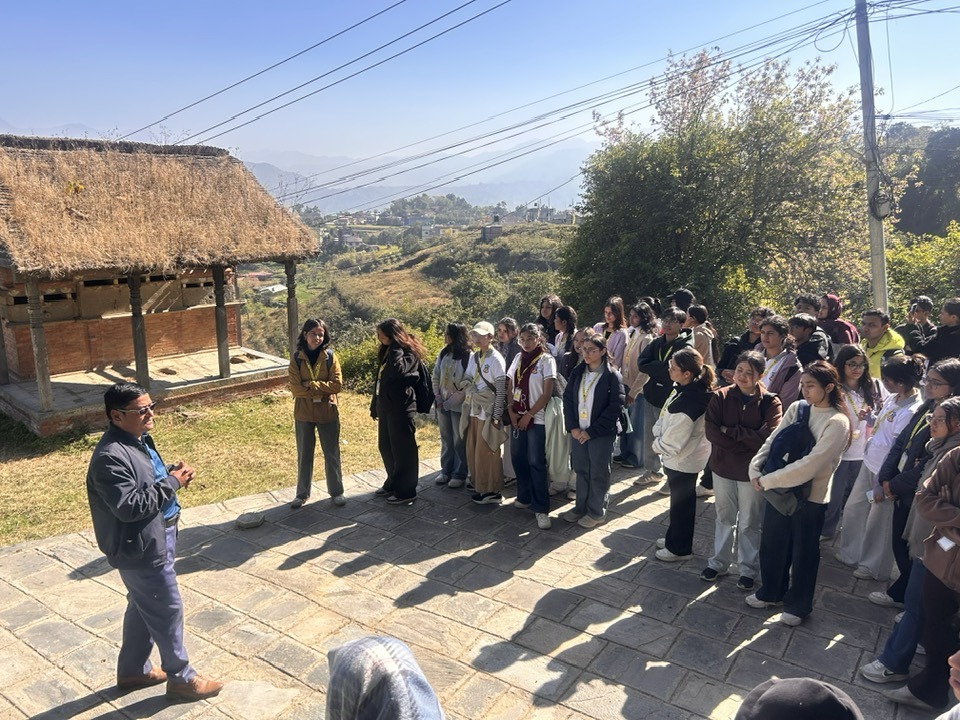
One of the most interesting parts of the visit was learning about the Tribhuvan Adarsha Awasiya Secondary School, Nepal’s first boarding school. Even though it is no longer functioning the way it used to, standing there and hearing about its past felt like touching a piece of history that shaped the educational landscape of the area.
Another moment that really stayed with me was visiting the 500-year-old Tute Pani Pati. At first, it looked like a simple stone water tank, but when we learned that it was built centuries ago as a public drinking water source for travelers, it struck me as a powerful example of early social service. Long before the term “community development” existed, people were already creating systems to support each other.
Our visit to the Bottle House was equally fascinating. The idea of constructing an entire shelter using more than ten thousand wine bottles — especially during a financial crisis — was something I had never imagined. Knowing that the project saved around 400 trees, contributed to carbon reduction, and was earthquake-resistant made it clear how creativity and sustainability can come together to solve real problems. Learning that senior St. Xavier’s students had volunteered in building it made me feel proud to be part of an institution that encourages hands-on contribution. SCLC has two ongoing ONGD-FNEL Scouts and Guides, Luxembourg funded project functioning through bottle house at this moment.
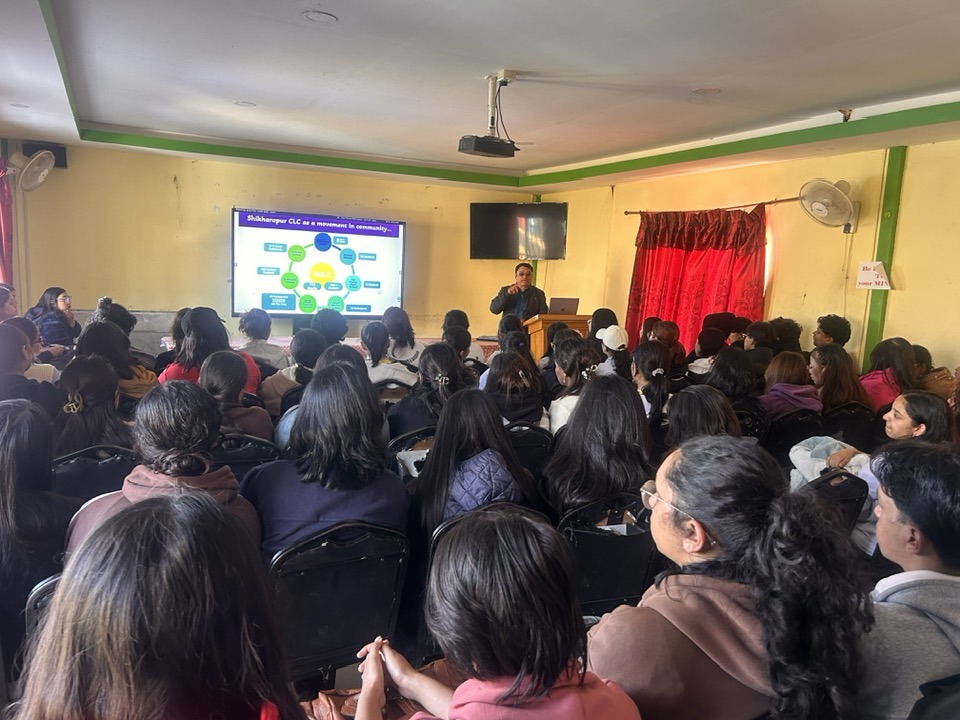
We also walked around the farm area, visited the cow shed (animal husbandry), observed vermi-composting plant , and finally gathered in the school hall, where Mr. Shrestha gave us a short presentation summarizing everything the organization has been doing. Sitting there, listening after having seen everything with my own eyes, the entire picture felt complete.
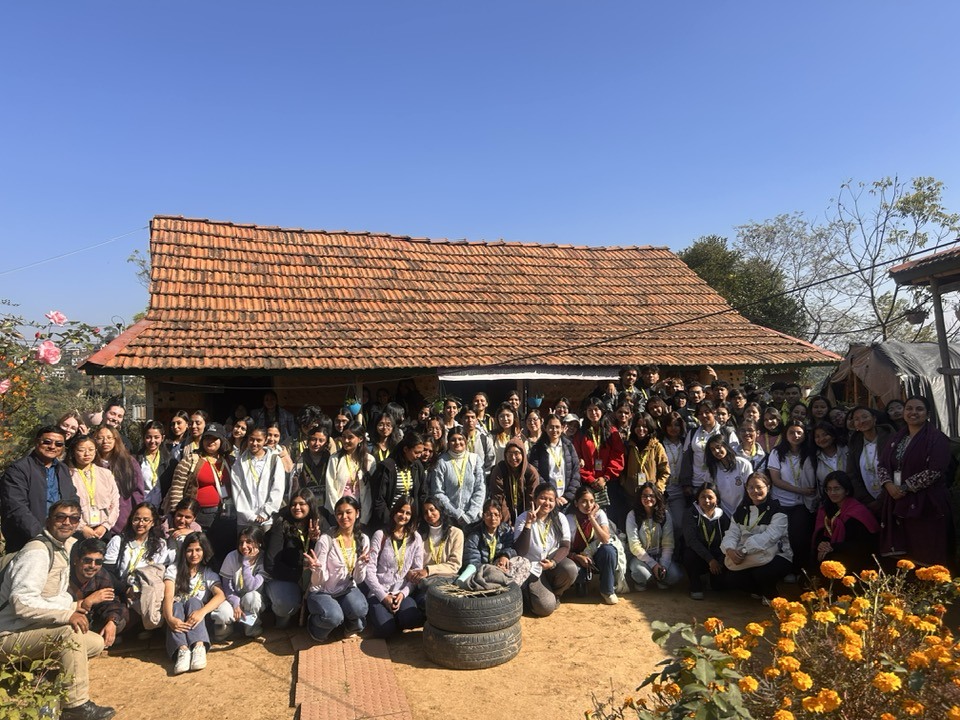
By the end of the visit, I came away with a stronger appreciation for what social work truly is. It is not just about theories, policies, or assignments — it is about people, creativity, resilience, and small efforts that grow over time. Today’s field visit reminded me why I chose this subject and made me more excited to learn, question, and contribute in my own capacity. Walking back from Pharping, I felt grateful — grateful for the exposure, for the opportunity to witness real community initiatives, and for the reminder that meaningful work always begins at the local level. This visit was not just informative; it was inspiring, and it has left a lasting impression on the way I view social service.